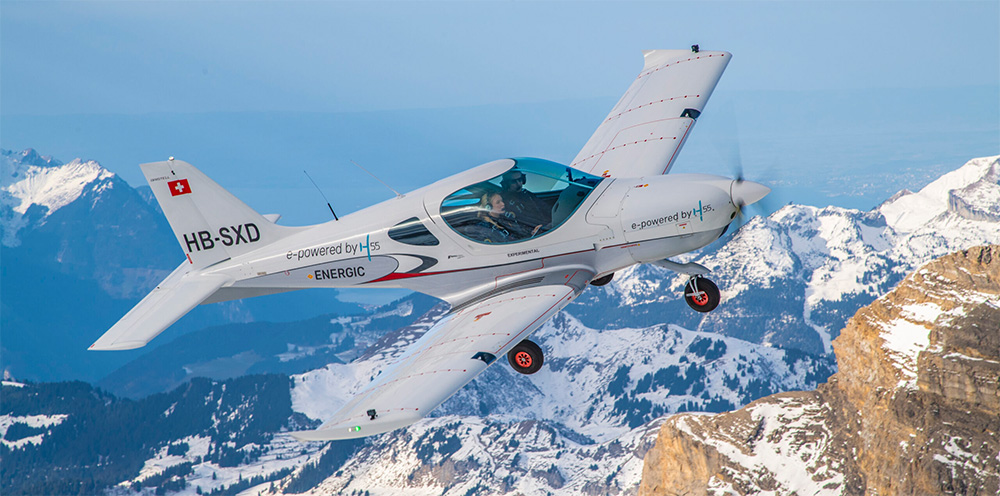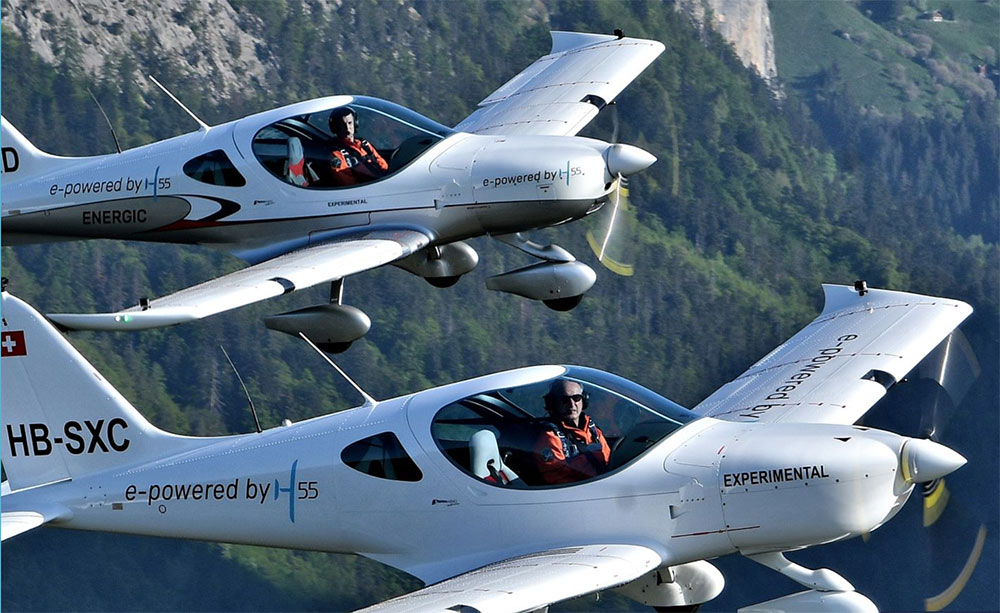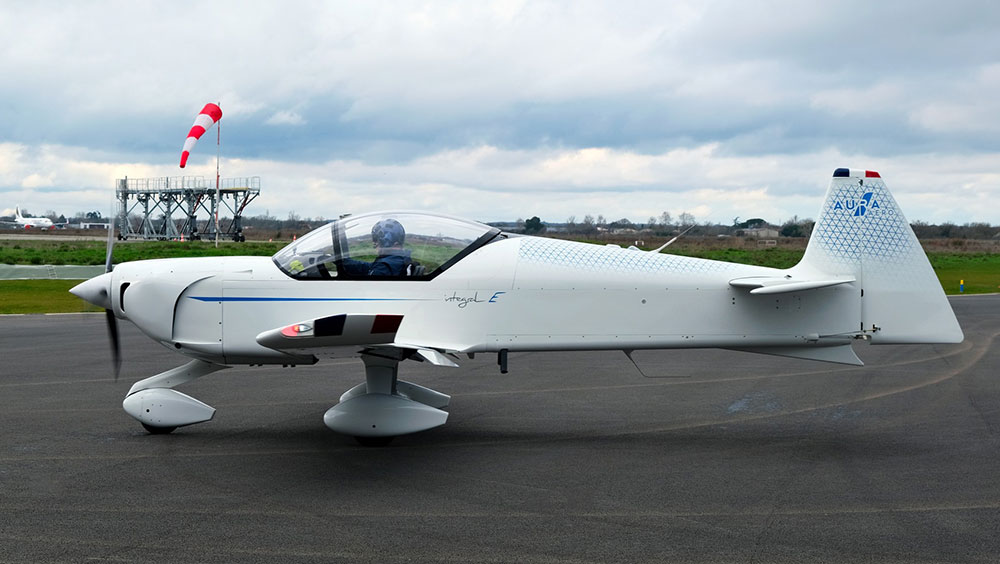
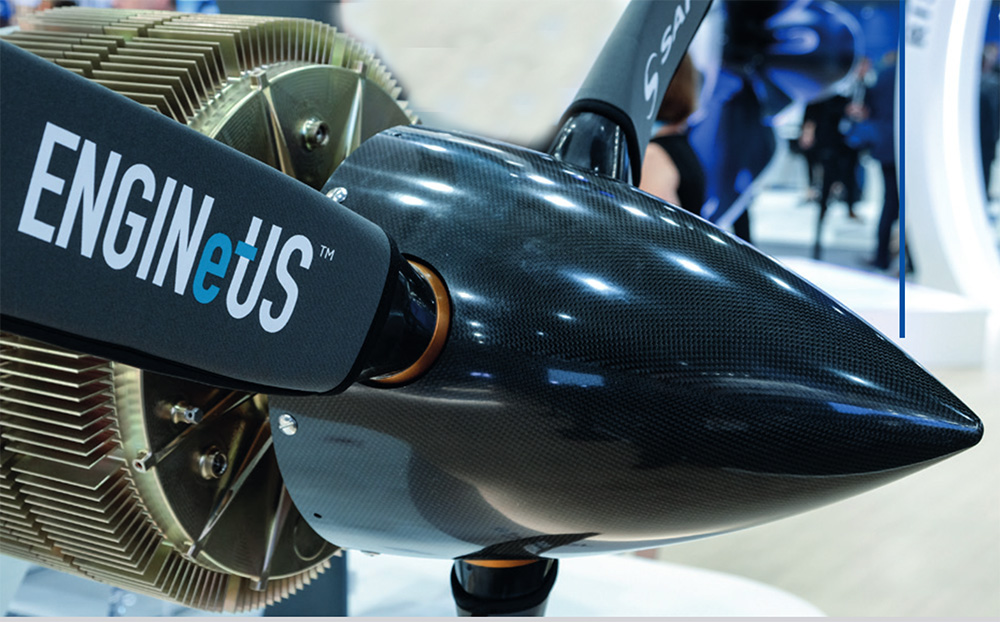
Swiss electric propulsion specialist H55 has selected Safran Electrical & Power's ENGINeUS electric motor to power the propulsion system it is developing for the Bristell B23 Energic, a fully electric general aviation aircraft targeting CS-23 and FAR Part 23 Level 1 and 2 certification. The agreement, announced on 10 April 2026, marks a significant step toward a complete, certifiable electric powertrain for the light aircraft market.
The arrangement brings together two organisations that have independently achieved substantive EASA certification milestones in electric aviation. Safran's ENGINeUS motor holds current EASA certification — the only electric motor in aviation to have done so — while H55 has completed an EASA-witnessed module test campaign for its battery architecture, a qualification standard that no other energy storage system in the light aircraft segment has met. The agreement integrates these two components into a unified propulsion system that airframe manufacturers can adopt without needing to qualify each element individually.
Certification has long been the primary obstacle to commercial deployment of electric aircraft. By offering a pre-certified motor and a certification-evidenced energy storage system as a combined package, H55 and Safran are addressing that constraint directly. Rob Solomon, CEO of H55, framed the partnership's significance plainly: combining the two organisations compresses the time to certified aircraft by years rather than months, giving OEMs a complete system around which they can design an airframe with confidence in the regulatory pathway.
The Bristell B23 Energic serves as the initial application platform for this integrated system. The B23 family is already certificated under both EASA and FAA regulations and is in active service with flight training organisations across Europe and North America. The electric variant preserves the cockpit environment and support infrastructure of existing B23 variants, which reduces transition costs and retraining requirements for flight school operators. Serial production of the electric powertrain configuration is scheduled to begin in 2027, with Safran providing both prototype support and in-service maintenance coverage.
The commercial case is grounded in the economics of flight training. Fuel and maintenance costs represent a material portion of flight school operating expenditure, and zero-emission electric operations address both simultaneously. The pilot training segment is therefore among the earliest commercial aviation markets where electric propulsion can deliver a straightforward economic case alongside its environmental credentials.
Safran Electrical & Power brings considerable depth to the arrangement. The company covers the full onboard electrical chain — generation, distribution, conversion, motors, batteries, wiring, and thermal management — across more than 15,500 employees in 13 countries. The ENGINeUS motor family has been positioned specifically for the light general aviation market, where power-to-weight ratio and reliability under frequent-cycle training operations are defining requirements.
H55 was founded as the technological continuation of the Solar Impulse programme and has accumulated more than 2,000 hours of fully electric flight across multiple aircraft with no battery-related incidents. Its approach centres on converting commercial lithium cells into aviation-qualified energy storage systems through independent cell characterisation, incoming screening, redundant safety architectures, and regulator-aligned testing built around worst-case failure scenarios. The company's platform model, in which certification evidence accumulates across programmes rather than being rebuilt for each new aircraft, is designed to reduce adoption risk and improve capital efficiency for OEM partners.
Bristell — BRM AERO, the Czech manufacturer behind the B23, produces more than 110 aircraft annually from its Kunovice facility and distributes through over 30 authorised dealers worldwide. The company's portfolio spans FAA-certified, EASA-certified, and MOSAIC-compliant types. For Bristell, the addition of a certified electric powertrain option extends the B23 platform without requiring operators to change their training infrastructure or support arrangements.
The partnership reflects a broader maturation in the electric general aviation segment, where the limiting factor is no longer technology readiness in isolation but the availability of fully certified, integrated systems that airframe manufacturers and operators can rely on through service life.